Orvos & Home Healthcare
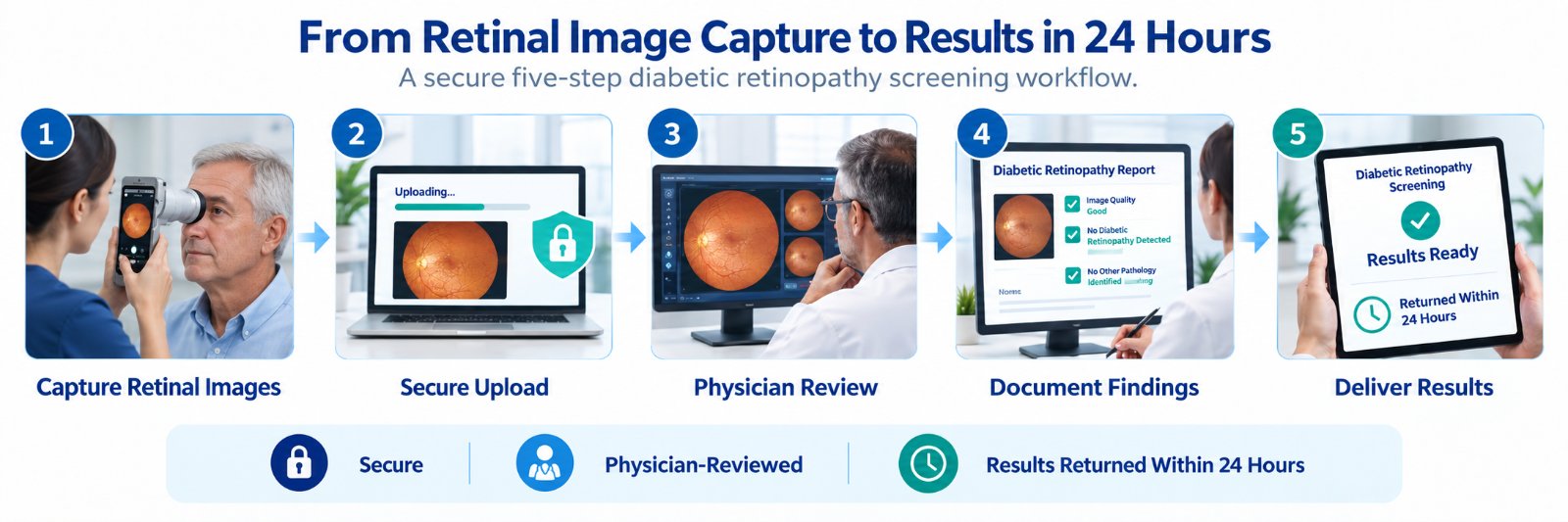
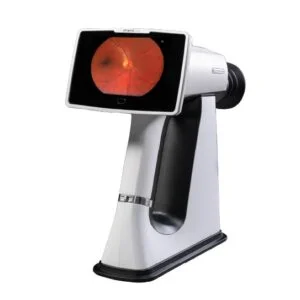
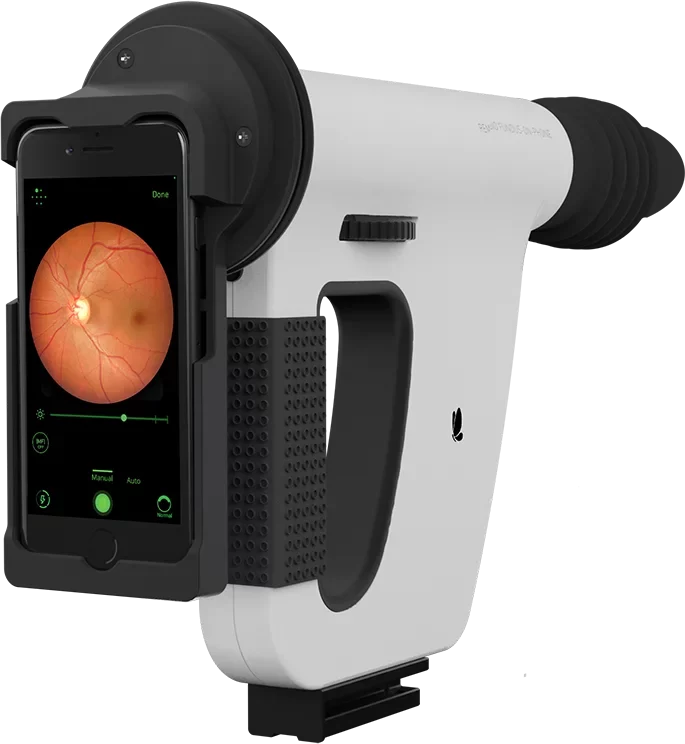
Orvos Healthcare partners with health plans to identify and reach members with diabetes who have not completed their recommended retinal eye examination, bringing retinal imaging directly into primary care, endocrinology, home health, assisted living, community settings and other locations where members already receive care. This approach can help plans address one of the most persistent barriers to diabetic eye care—the need for a member to schedule and attend a separate specialty appointment—and convert an open care gap into a documented retinal examination with physician interpretation and appropriate referral when abnormalities are identified.

A key opportunity is the HEDIS Eye Exam for Patients With Diabetes (EED) measure. NCQA defines EED as the percentage of members ages 18–75 with diabetes who receive a qualifying retinal eye examination. Improving the number of eligible members who complete the examination improves the plan's performance on that specific HEDIS measure.
For example, if a health plan has 100,000 eligible diabetic members and only 65,000 meet the EED measure, its completion rate is approximately 65%. If Orvos helps the plan locate, engage and complete qualifying retinal examinations for another 10,000 members, the rate could increase to approximately 75%. The actual effect depends on the plan's eligible population, exclusions, documentation and NCQA measure specifications, but this illustrates why health plans place significant value on scalable care-gap closure programs.
This matters because HEDIS is one of the most widely used health care quality measurement systems in the United States. More than 235 million people are enrolled in health plans that report HEDIS results, and NCQA uses HEDIS performance as an important component of its Health Plan Ratings.
Why HEDIS Performance Matters to a Health Plan
Health plans are measured across numerous clinical quality indicators—not just diabetic eye examinations. Strong performance demonstrates that a plan is successfully getting members appropriate preventive care and managing chronic disease. NCQA's overall Health Plan Rating combines HEDIS clinical performance, CAHPS member-experience performance and NCQA Accreditation status into a rating that allows plans to be compared with one another.
Therefore, Orvos should not claim that completing retinal examinations by itself will automatically increase an entire health plan's overall rating. Instead, Orvos can directly help a plan improve performance on the diabetic eye-exam measure, and enough improvement in individual quality measures can contribute to stronger overall health-plan quality performance.
For Medicare Advantage plans, there is an additional incentive. CMS includes Diabetes Care – Eye Exam in the 2026 Medicare Advantage Part C Star Ratings, and CMS specifically retained the measure because of its importance in preventing serious complications from diabetes.
Why Employers Care About HEDIS and Health Plan Ratings
Large employers do not typically select an employee health plan based on HEDIS alone. They generally evaluate several factors—including premium cost, provider network, pharmacy costs, benefits, member experience, chronic-disease programs and clinical quality—but HEDIS performance and NCQA ratings give employers an independent way to compare the quality of competing health plans.
NCQA specifically states that health plans generally provide HEDIS metrics to employers, and NCQA makes quality information available to the companies that purchase health care so they can evaluate where employees can receive high-quality care.
This can become important during an employer's health-plan procurement or renewal process. Imagine a company evaluating two otherwise comparable insurance plans:
Plan A
- Competitive pricing
- Strong provider network
- Higher NCQA/HEDIS quality performance
- Better diabetes preventive-care outcomes
- Higher member satisfaction
Plan B
- Similar pricing and network
- Lower preventive-care completion
- Lower diabetes-quality performance
- More unresolved care gaps
The employer and its benefits consultant may view Plan A as delivering greater healthcare value, because the plan is demonstrating that its members actually receive preventive and chronic-disease care—not simply that the services are covered. NCQA specifically describes its ratings as a tool that businesses and consumers can use to compare and choose health plans.
Where Orvos Fits
The Orvos value proposition to a health plan can therefore be summarized as:
Identify the Gap → Reach the Member → Perform the Retinal Exam → Physician Interpretation → Document the Result → Refer When Necessary → Support Quality-Measure Completion
Instead of relying exclusively on reminder letters, phone calls and referrals to outside eye-care providers, Orvos gives the health plan a mechanism for actually delivering the service to the member.
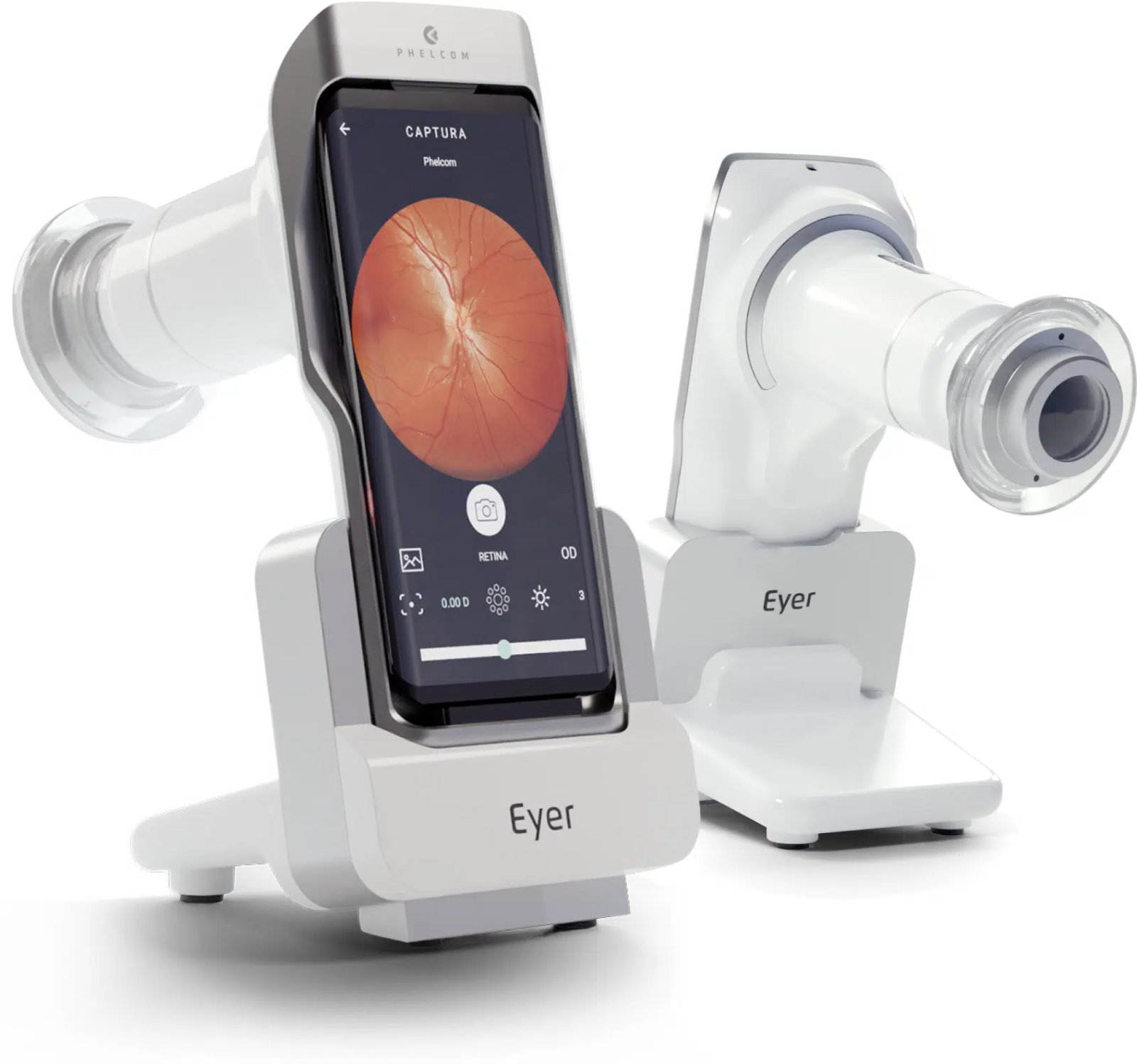
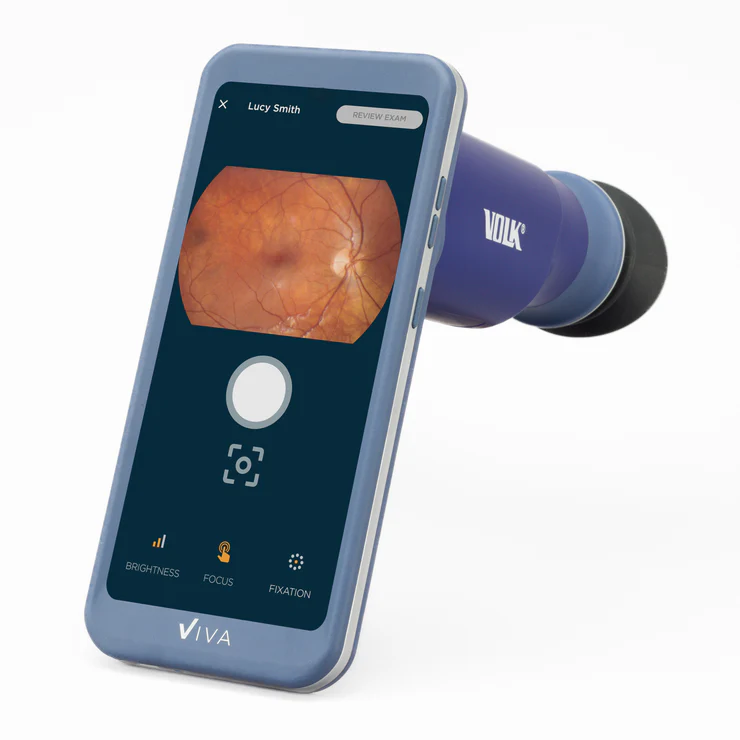
Orvos can deploy retinal screening through multiple access points—including primary care, endocrinology, home health and community-based programs—allowing the plan to target populations and geographic areas where EED completion is underperforming. The objective is not simply to generate another member outreach attempt; it is to turn outreach into a completed clinical service with documented results.
For the health plan, that creates a three-part value proposition:
Better Member Outcomes + More Closed Care Gaps + Stronger Quality Performance
For commercial health plans, stronger HEDIS performance can contribute to better NCQA Health Plan Ratings and provides employers with evidence of clinical quality when evaluating insurance options. For Medicare Advantage plans, diabetic retinal examination performance can also contribute to CMS Star Ratings performance.
Executive-Level Orvos Message
Orvos Healthcare helps health plans move diabetic eye care from outreach to completion. By identifying members with open diabetic retinal screening gaps and bringing physician-interpreted retinal examinations into the settings where members already receive care, Orvos can help increase completion of the HEDIS Eye Exam for Patients With Diabetes measure, identify vision-threatening disease earlier and improve access to preventive care. Stronger performance on quality measures contributes to a health plan's overall quality profile, which is increasingly important not only to regulators and members, but also to employers evaluating health plans for their workforce.